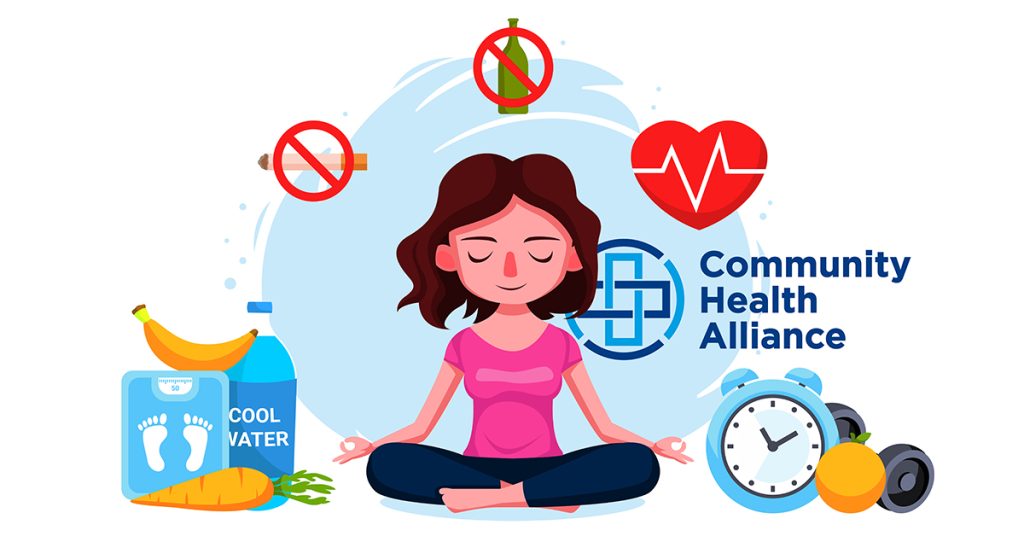
Health and Wellness Tips for December 2025
December invites us to slow down, celebrate traditions, and reconnect with what matters most. It’s also a perfect time to give back to yourself—your health, your energy, and your personal balance. This month’s wellness roundup highlights ways to stay active, eat well, practice meaningful self-care, and keep your financial health steady during a busy season.
Whether you’re giving to others or giving yourself the gift of well-being, here are simple ways to stay strong this month.
🏃♀️ Workout of the Month: “12 Days of Fitness”
Inspired by the classic holiday song, this workout builds each day just like the lyrics. You can do it once, repeat it weekly, or challenge yourself to complete it daily.
How it works:
Start with Day 1. Each day, add the new exercise plus repeat the sequence from the previous days.
Example sequence:
Day 1: 20-second plank
Day 2: 10 push-ups
Day 3: 15 squats
Day 4: 20 jumping jacks
Day 5: 10 lunges each leg
Day 6: 15 glute bridges
Day 7: 30-second wall sit
Day 8: 12 shoulder taps
Day 9: 15 tricep dips
Day 10: 20 mountain climbers
Day 11: 15-second side plank each side
Day 12: 12 burpees (or low-impact fast marches)
🍲 Recipe of the Month: Warm & Healthy Winter Vegetable Soup
Simple, comforting, and nourishing—perfect for chilly December evenings and busy schedules.
Ingredients:
Carrots, celery, onions
Sweet potatoes or butternut squash
Spinach or kale
Vegetable or chicken broth
Optional: white beans or chickpeas
Herbs: thyme, garlic, bay leaf
Why it works:
High in nutrients
Low in calories
Budget-friendly
Batch-cooking friendly (freeze leftovers!)
💙 Self-Care of the Month: Give Yourself Permission to Pause
December can be stressful—more events, more spending, more expectations. This month’s self-care focus is the Intentional Pause.
Try one of these each week:
5-minute grounding break: deep breathing or a short guided meditation.
One night a week without screens: read, wrap gifts, or simply unwind.
Personal check-in: Ask “What do I need today?” and honor it.
A kindness act: Do something small for someone else—giving boosts your own well-being.
Helpful Links:
• Free short meditations (5–10 min):
• Mental well-being tips for the holidays
💵 Financial Wellness of the Month: Smart Spending During the Holidays
Financial stress peaks in December. This month, focus on “Give Within Your Means.”
Strategies:
Set a spending cap for gifts and social outings.
Use the 24-hour rule before buying non-essential items.
Try low-cost giving: handwritten notes, acts of service, or homemade treats.
Plan January now to avoid post-holiday financial burnout.
Resources to support financial well-being:
• How to build a holiday budget that works every year
December is truly the Season of Giving—but that includes caring for your own health. Whether you’re breaking a sweat, enjoying comforting foods, practicing mindful self-care, or budgeting with intention, these small choices add up to a stronger and more balanced you. Here’s to ending the year with wellness in mind and stepping into the new year refreshed and empowered.

1020 Symmes Rd.
Fairfield, OH. 45014
513-896-8300


Community Health Alliance complies with applicable Federal civil rights laws and does not discriminate,
exclude, or treat people differently on the basis of race, color, national origin, age, disability, or sex.